Figure Painting
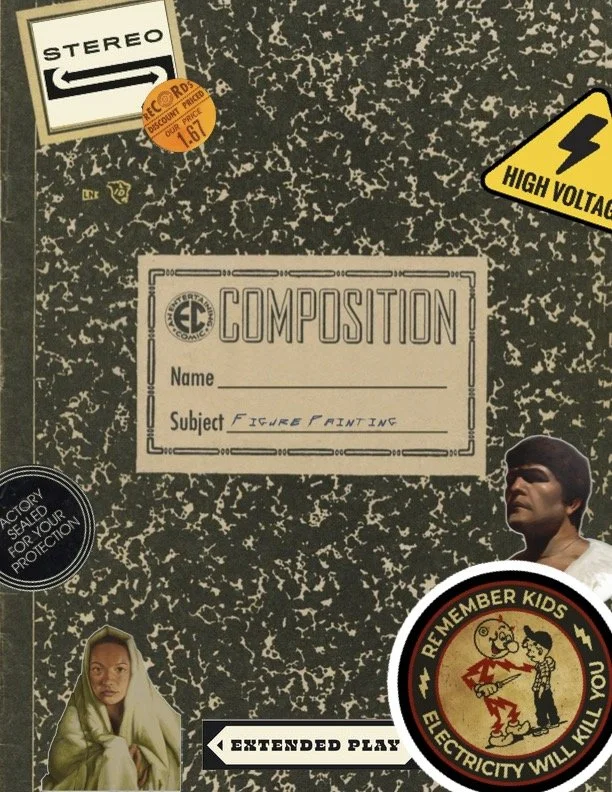

PORTRAIT : SPECTATORSHIP, THE GAZE AND THE ACT OF LOOKING
This first project of the semester introduces the foundational concepts and approaches that will guide the course. Building upon the technical skills acquired in Figure Drawing and Painting 2, this project invites students to refine their ability to paint portraits through both direct observation and an iterative conceptual process. By focusing on the interplay between spectatorship and the gaze, students will explore how portraiture extends beyond representation to express complex cultural and narrative ideas. This exercise emphasizes the duality of technical mastery and conceptual depth, encouraging students to reflect on their intentions as creators and the dynamic relationship between viewer and subject.
Throughout the project, students will refine their understanding of proportional and structural forms of the face, reinforce their grasp of color theory, and practice constructing paintings with sound techniques. Through weekly studies from life, ideation processes, and personal research, students will develop a final portrait that not only captures the likeness of the subject but also communicates a broader conceptual narrative. The use of lighting—either in a controlled studio setting or natural environmental light—will be central to exploring form and mood, while color harmony and chromatic nuance will be emphasized to create a dynamic and cohesive composition.
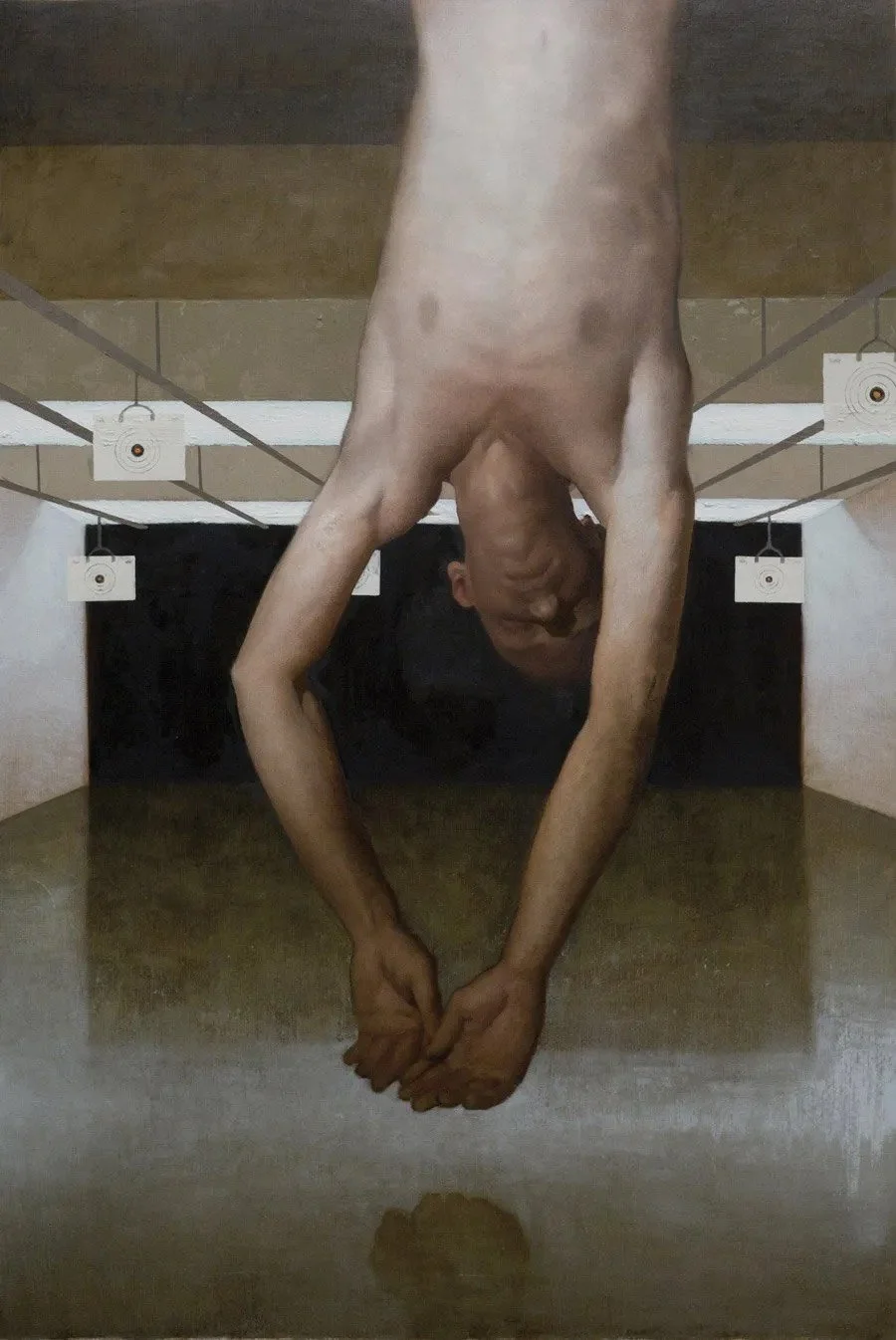
FIGURE : THE BODY, COMPOSITION AND GESTURE
In our second project of the semester, we will continue to explore the human figure, shifting our focus from portraiture to the body and gesture as primary elements of expression. While your work may still include aspects of portraiture, the emphasis should be on anatomy, movement, and the figure within an environment. Building on the skills developed in Figure Drawing, this painting should incorporate narrative storytelling through gesture, composition, and setting.
We will further explore color theory by structuring color relationships in the environment based on natural or synthetic lighting, with careful consideration of color temperature and its effects on form and atmosphere. This project will also expand your technical painting experience, incorporating both direct (alla prima) and indirect (layered) painting methods to refine your approach to composition, form, and texture.
Additionally, through ideation and personal research, we will expand the concept of figurative painting beyond traditional depictions of individuals, exploring how cultural ideas and identity can be expressed through the human form in context.
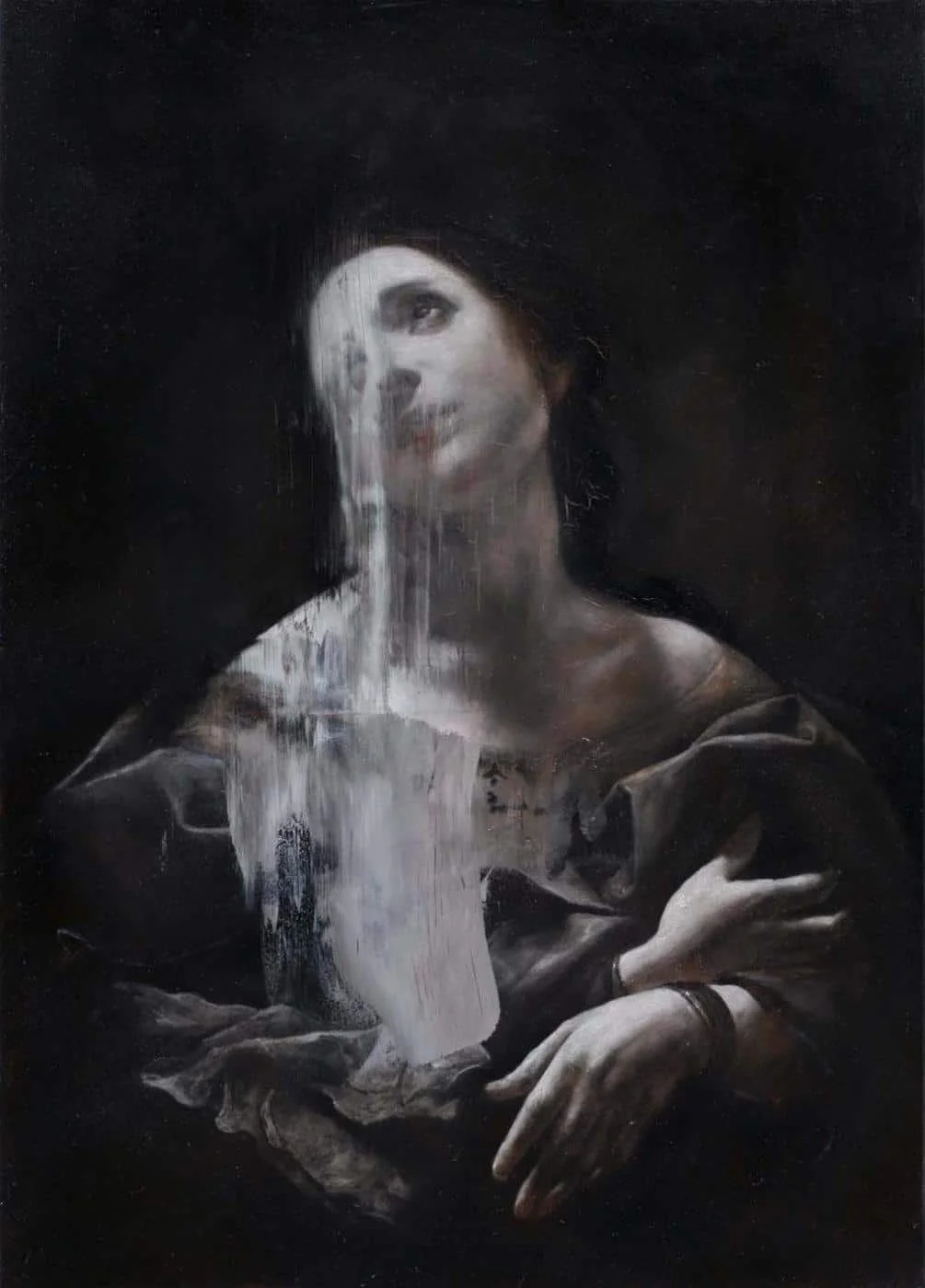
Nicola Samorì
Historical Homage: Reinterpreting a Masterwork
This project asks students to engage directly with a historical or master painting, not as a subject to copy faithfully, but as a structure to study, dismantle, and rebuild with new intention. Working from one painting, or a deliberate combination of source images, students will analyze the compositional armature, color harmony, value structure, and gesture that make the original work, and then use that analysis as the foundation for a new painting that recontextualizes, restages, or recomposes the source material.
This is not a master-copy exercise in the traditional sense. The goal is not likeness to the original but fluency with its underlying decisions: understanding why the piece works so that specific elements can be knowingly retained, altered, exaggerated, or discarded. Students are expected to arrive at a clear conceptual rationale for their reinterpretation: a shift in narrative, culture, era, palette, medium, or meaning that justifies the departure from the source. As an advanced project, it assumes a working foundation in value, color mixing, composition, and paint handling built in prior coursework, and asks students to apply that foundation toward interpretive, rather than purely observational, ends.